ZIDEBACTAM 1 g
Novel β-lactam Enhancer
- Potent and selective affinity for PBP2 binding across Enterobacterales, Pseudomonas and Acinetobacter.
- Non-β-lactam, hence stable against β-lactamases.
- Inhibits class A and class C β-lactamases.


Dual Mechanism of Action: First in Class Novel Beta-Lactam Enhancer Concept
Novel β-lactam Enhancer
4th-generation Cephalosporin
SYNERGY: ZIDEBACTAM + CEFEPIME
Rapid Bacterial Killing
Zidebactam, a first-in-class beta-lactam enhancer (BLE), shows potent and selective affinity for penicillin-binding protein-2 (PBP2) in key Gram-negative bacterial pathogens, including Acinetobacter baumannii, Pseudomonas aeruginosa, and Enterobacterales (Escherichia coli, Klebsiella pneumonia & others).
Zidebactam being a non-beta-lactam is stable against beta-lactamases as well as shows adequate permeation even in strains expressing efflux and/or impermeability. Zidebactam significantly enhances the pharmacodynamics of cefepime.
Cefepime- Primarily targets PBP3 in these pathogens and PBP1a/b. Cefepime’s ability to bind to its PBP targets at a faster rate, than it is hydrolyzed by beta-lactamases.
Synergistically targets multiple penicillin-binding proteins (PBP1a/b, 2 and 3) leading to rapid bacterial killing.
β-lactamases that inactivate many β-lactam antibiotics
 ESBL(e.g. CTX-M, TEM, SHV)
 AmpC(e.g. CMY, DHA)
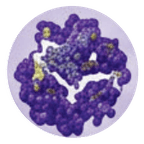 KPC(Class A carbapenemases)
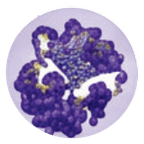 OXA-48-like(Class D carbapenemases)
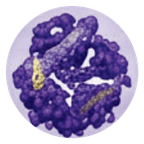 MBLs(metallo-β-lactamases) (MBLs - NDM, VIM, IMP)
Dual targeting disrupts cell wall synthesis at two critical points
4th-generation cephalosporin
Interacts with and inhibits PBP1 and PBP3, preventing cell wall synthesis and causing cell death
β-lactam enhancer
inhibits serine β-lactamases and binds PBP2, restoring activity even when other antibiotics fail
Mechanisms that reduce antibiotic entry or effectiveness
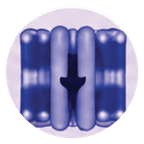 Porin loss or modificationLimits drug entry
 Efflux pump overexpressionActively expels antibiotics
 AmpC overexpressionIncreases enzymatic hydrolysis
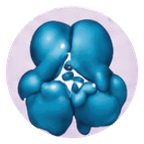 Altered PBPsReduced antibiotic binding
A multi-targeted approach that acts synergistically, helps to overcome both enzymatic and non-enzymatic resistance mechanisms, independent of beta-lactamases inhibition.
Another common bacterial resistance strategy is β-lactamase hyperproduction, which is used to break open the β-lactam structure of antibiotics. Zidebactam inhibits certain class A and class C serine β-lactamases, including KPC, CTX-M and CMY. The complementary mechanisms and PBP2 enhancer activity helps ZAYNICH® retain activity in the presence of these resistant pathogens.
Zidebactam is a non-β-lactam and is less susceptible to degradation by clinically challenging β-lactamases including MBLs.
PBPs are bacterial enzymes that build and maintain the cell wall. Traditional β-lactam antibiotics work by binding to these proteins and disrupting cell-wall construction, eventually causing bacterial death. Bacteria have acquired mutations and developed non-enzymatic resistance mechanisms that cause structural changes in a PBP. These alterations reduce the drug’s ability to bind to the PBP and allow cell-wall construction to continue despite antibiotic exposure.
ZAYNICH® attacks cell-wall synthesis through two complementary targets: cefepime primarily targets PBP3, and zidebactam binds with high affinity to PBP2. Inhibiting both PBPs simultaneously produces complementary morphological effects; ultimately, making it harder for a bacterium to survive through an alteration affecting only one pathway.
Down regulation of porin channels by Gram-negative bacteria is a common resistance mechanism that challenges β-lactam antibiotic effectiveness.
By using a synergistic and multi-targeted approach, ZAYNICH® addresses multiple PBPs and may overcome this typical resistance strategy.
A novel synergistic mechanism. Independent of enzyme inhibition.
Only protect the β-lactam antibiotic1,2,3 and not:
Enhances cefepime’s antibacterial activity4
Not a β-lactam, so β-lactamases cannot break it down
The resultRapid killing and comprehensive coverage, for predictable clinical outcomes.
BL-BLIs: β-Lactam-β-Lactamase Inhibitors; PBP: Penicillin-Binding Protein; MBL: Metallo-β-Lactamase; NDM: New Delhi Metallo-β-Lactamase; MIC: Minimum Inhibitory Concentration.
References: 1. Lahiri SD, Johnstone MR, Ross PL, McLaughlin RE, Olivier NB, Alm RA. Avibactam and class C β-lactamases: mechanism of inhibition, conservation of the binding pocket, and implications for resistance. Antimicrob Agents Chemother. 2014 Oct; 58(10):5704-13. doi: 10.1128/AAC.03057-14. Epub 2014 Jul 14. PMID: 25022578; PMCID: PMC4187909. 2. Tooke CL, Hinchliffe P, Lang PA, et al. Molecular Basis of Class A β-Lactamase Inhibition by Relebactam. Antimicrob Agents Chemother. 2019;63(10):e00564-19. 3. Shapiro AB, Moussa SH, McLeod SM, et al. Durlobactam, a New Diazabicyclooctane β-Lactamase Inhibitor for the Treatment of Acinetobacter Infections in Combination With Sulbactam. Front Microbiol. 2021;12:709974. 4. Zaynich PI India.
 Zidebactam (1 g) + Cefepime (2 g) for Injection